
Myth-busting the truth behind common casino beliefs
The Gambler’s Fallacy Explained
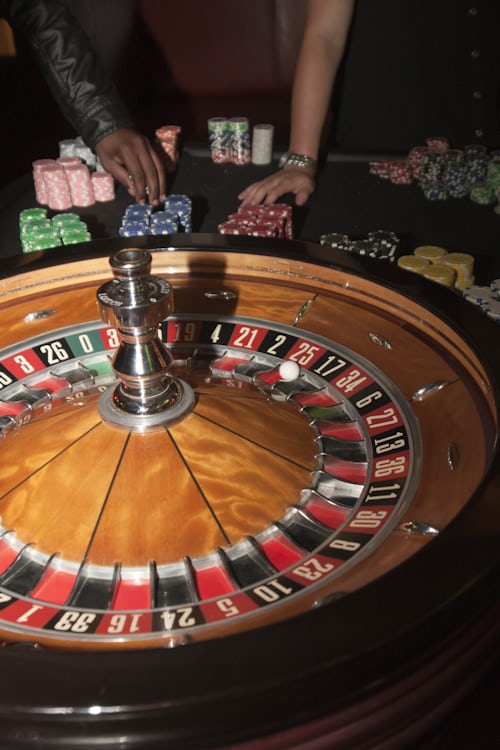
One of the most pervasive myths in casinos is the gambler’s fallacy, which is the belief that past events influence future outcomes in games of chance. For instance, if a roulette wheel has landed on red several times in a row, many players mistakenly assume that black is “due” to occur next. This belief disregards the fundamental principle that each spin of the wheel is independent of previous spins, governed by probability rather than past outcomes. If players look for alternatives, they might consider visiting a non gamstop casino instead.

Understanding the randomness of games like roulette can help players make more informed choices. Casinos design their games to ensure that the odds remain the same for every play, so it’s essential to rely on statistical principles rather than perceived patterns. This myth can lead to poor betting decisions and can ultimately impact a player’s overall experience and bankroll.
The Illusion of Control
Many gamblers believe they can influence the outcome of games through specific strategies or rituals, often referred to as the “illusion of control.” Players may feel that by employing certain betting systems or repeating rituals, they can sway luck in their favor. This mindset is particularly common in games such as craps, where players believe that their throwing technique can impact the roll of the dice.
However, the reality is that casino games are designed to be random and unpredictable. The outcomes are determined by chance, and no amount of strategy can change that. Recognizing the limits of control can foster a healthier relationship with gambling, reminding players to enjoy the games for entertainment rather than as a means of guaranteed profit.
The Myth of “Hot” and “Cold” Machines
Another common belief among slot machine players is the notion of “hot” and “cold” machines. Many players believe that certain slots are on a winning streak and that playing those machines will yield better payouts. Conversely, they may avoid machines that seem to be paying out less, assuming they are “cold.” This concept can lead to misguided choices and missed opportunities.
In reality, slot machines use random number generators to determine outcomes, ensuring that each spin is completely independent. Casinos program these machines to ensure they adhere to specific payout percentages over time, but players cannot predict short-term results based on previous performances. Awareness of this can help gamblers make more rational decisions and enjoy their gaming experience without undue pressure.
Understanding Casino Odds
Many players enter casinos unaware of the odds associated with various games. A common belief is that some games are inherently “safer” than others, leading to misconceptions about winning potential. For example, some gamblers might assume that blackjack is a surefire way to make money, while others believe that games like keno have better odds. In truth, all games have varying house edges that affect players’ chances of winning.
Educating oneself about the odds and house advantages can significantly enhance the gambling experience. Understanding which games provide better chances for success, as well as recognizing the importance of responsible gaming, can ultimately lead to more satisfying results and fewer financial disappointments.
About Our Website
We are dedicated to providing accurate information about casinos, gambling myths, and responsible gaming practices. Our goal is to help players navigate the often-misunderstood world of casinos, dispelling common myths and promoting a healthy approach to gaming.
Through our comprehensive articles and resources, we aim to empower gamblers with the knowledge they need to enjoy their experiences safely and responsibly. By busting common myths, we hope to foster a more informed gambling community that prioritizes fun and entertainment over misconceptions.